
There is no shortage of opinions about asphalt. Most of them are outdated, half-true, or based on 30-year-old material standards.
Let’s clear a few up.
This is one of the most common objections.
Asphalt does not “breathe” in the way people think. It is not porous soil. It is a dense, compacted aggregate structure bound with asphalt cement.
Moisture damage does not happen because pavement can’t breathe. It happens because water infiltrates cracks, penetrates the base, and weakens structural support.
Sealcoating does not trap water inside good pavement. It reduces surface permeability and slows oxidation.
If water is already trapped beneath the pavement due to poor drainage or base failure, sealcoating is not the issue — drainage is.
In properly functioning pavement:
If someone says asphalt needs to breathe, what they usually mean is: “I’ve seen bad prep work.” Poor cleaning, sealing over active moisture, or applying product to structurally failed pavement will cause issues. That’s not a material flaw. That’s an application flaw.
This is outdated thinking.
When people say “oil-based,” they usually mean solvent-based asphalt cutback sealers. These products use petroleum solvents to carry asphalt onto the surface. The solvent evaporates and leaves behind a thin asphalt film.
Asphalt emulsion — like the GemSeal system we use — suspends asphalt particles in water. When applied, the water evaporates and the emulsion breaks, forming a bonded asphalt film across the surface.
Both are asphalt-based.
The difference is how they cure and how they perform in a freeze-thaw climate.
Solvent-Based Cutbacks:
• Cure through solvent evaporation
• Higher VOC content
• Can penetrate aggressively into dry surfaces
• Often apply thinner
• Can harden faster under UV exposure
Commercial Asphalt Emulsion (GemSeal):
• Water-based carrier
• Lower VOC
• Builds consistent film thickness in two-coat systems
• Bonds well to existing asphalt
• Maintains flexibility in cold temperatures
• Designed for commercial traffic use
In Ontario, flexibility matters more than solvent penetration.
Pavement expands and contracts through freeze-thaw cycles. It is exposed to plow blades, salt, sand, and heavy traffic.
A coating that becomes brittle under UV exposure will fail faster in winter contraction cycles.
Modern commercial-grade asphalt emulsions — especially when polymer-modified and applied in two coats — are engineered for cold-region performance.
The idea that solvent-based automatically lasts longer is not supported by consistent field performance in plowed commercial lots.
Durability depends far more on:
• Surface preparation
• Application rate
• Two-coat coverage
• Crack treatment beforehand
• Weather conditions during cure
Product chemistry matters. But installation discipline matters more.
There is no fixed lifespan.
In Southern Ontario, pavement is exposed to:
• Freeze-thaw cycling
• Mechanical snow plowing
• Salt and sand abrasion
• Spring saturation
• Summer UV radiation
A low-traffic residential driveway may stretch 4–5 years.
A commercial lot with regular plowing and traffic realistically needs maintenance closer to every 3 years to maintain proper protection.
Sealcoat is a sacrificial layer.
Its job is to slow oxidation, reduce surface wear, and protect against moisture infiltration. Over time, it wears down — especially in high-traffic or heavily plowed areas.
Longevity depends on:
• Traffic volume
• Snow removal practices
• Drainage
• Surface prep quality
• Application thickness
• Existing pavement condition
The real question isn’t:
“How long will it last?”
It’s:
“What condition will my pavement be in if I wait too long?”
In Ontario’s climate, maintenance timing determines whether pavement life is extended — or accelerated toward replacement.
Cracks are structural entry points for water.
When water freezes, it expands roughly 9% in volume. That expansion widens cracks and weakens surrounding aggregate.
Cracks under 1/4" respond well to hot rubber crack filling.
Once interconnected “alligator cracking” appears, the issue is structural base failure — not surface cracking — and requires full-depth repair.
Early intervention is inexpensive.
Late intervention becomes capital expenditure.
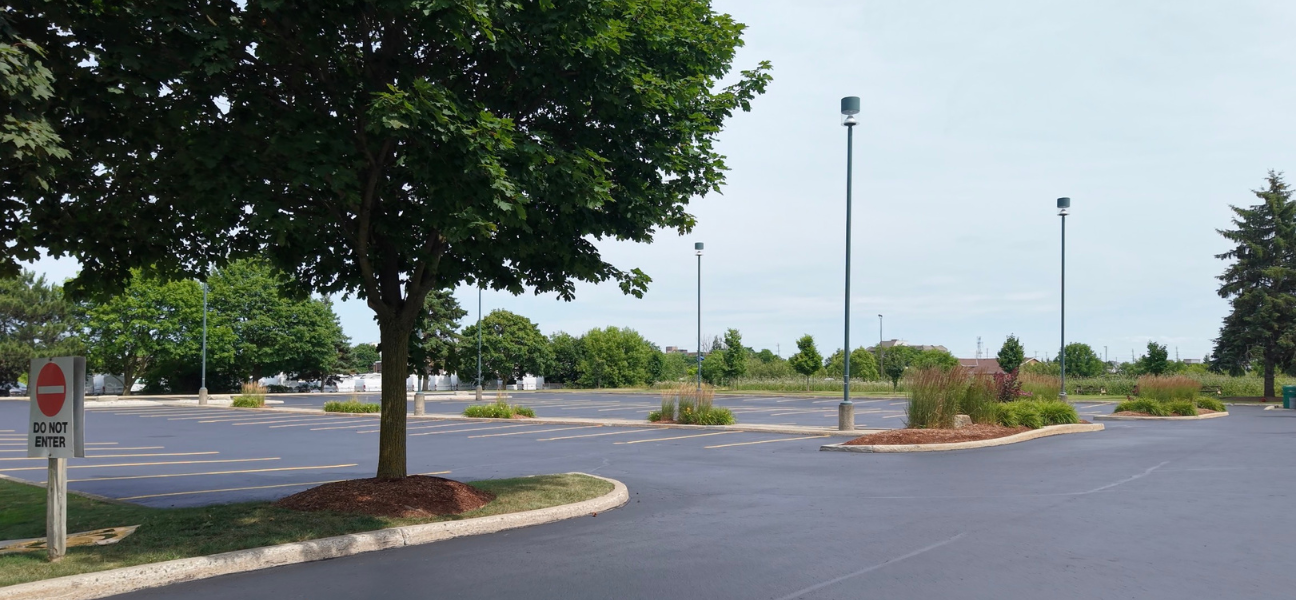
Sealcoating is not about appearance (Although it does look pretty amazing).
It is about managing oxidation, moisture intrusion, and surface wear in a harsh freeze-thaw environment.
DT Asphalt Maintenance uses commercial-grade GemSeal asphalt emulsion systems, applied in a proper two-coat process over fully prepared pavement, because they perform reliably in Ontario’s climate.
Maintenance isn’t about chasing myths.
It’s about interrupting deterioration before it compounds.



.png)
.png)